Tuberculosis (TB)

Tuberculosis (TB) Screening in Pastoral Areas

Tuberculosis (TB)

Tuberculosis (TB) is an infectious disease that is still common among the semi-nomadic inhabitants of the Kenyan provinces West Pokot, Elgeyo Marakwet and Baringo. TB is caused by a bacterium: Mycobacterium tuberculosis. This bacterium can affect almost all organs: the lungs, lymph nodes, brain, meninges, kidneys, joints and the spine.

Spread of tuberculosis

If TB affects the lungs, that person is infectious to others. We call that “open TBC”. Such a person can spread the bacteria through coughing or sneezing. The lungs of people nearby, especially in the same room, can then be infected by lung droplets filled with the bacteria. The infection will only manifest itself as tuberculosis after months or years. This means that someone can be infected with tuberculosis without noticing it. People who then develop “open TBC” can spread TB.

Illness of poverty

TB is also referred to as the disease of poverty. Especially people with a malfunctioning immune system quickly and often become seriously ill and can die from it. The immune system is mainly affected by malnutrition and/or HIV-infection.

Control, detection, diagnosis and treatment

Combating poverty and HIV is very important in the fight against TB, besides detecting people with “open TBC” as early as possible. The diagnosis of TB is made by means of an interview, physical examination, X-rays, laboratory examination of coughed up sputum, other body fluids and urine. TB is treated with a combination of different antibiotics. The treatment lasts at least 6 months. Unless someone is seriously ill, treatment for TB can be done at home, after patients are instructed.

Treatment of semi-nomads

Treatment is especially successful when people live under good conditions and have enough money and support. This is often not the case with people who lead a semi-nomadic life, such as a large part of the inhabitants of West Pokot. They often suffer not only from tuberculosis, but also from poverty and malnutrition. Because they constantly move their livestock over great distances, they don’t come home every night after work. Malnutrition makes it extra difficult to tolerate the heavy course of antibiotics. In addition to antibiotics, these people must also receive protein-rich food during treatment.

Drug-resistant TB

If a person’s TB bacteria is resistant to the two most powerful antibiotics, this is called “multi-drug resistant tuberculosis”. The treatment then takes at least 20 months and is much more expensive.

West Pokot is an area at risk for drug-resistant TB

Risk factors for developing “multidrug-resistant tuberculosis” are:

1: Previous treatment for TB,
2: Not completing the TB treatment properly
3: Immigration
4: Male gender
5: HIV infection
6: Alcoholism
7: Smoking
8: Diabetes
9: Poverty

West Pokot is a risk area for “multidrug-resistant tuberculosis” because factors 1, 2, 4, 5, 6, 7 and 9 apply for many inhabitants.
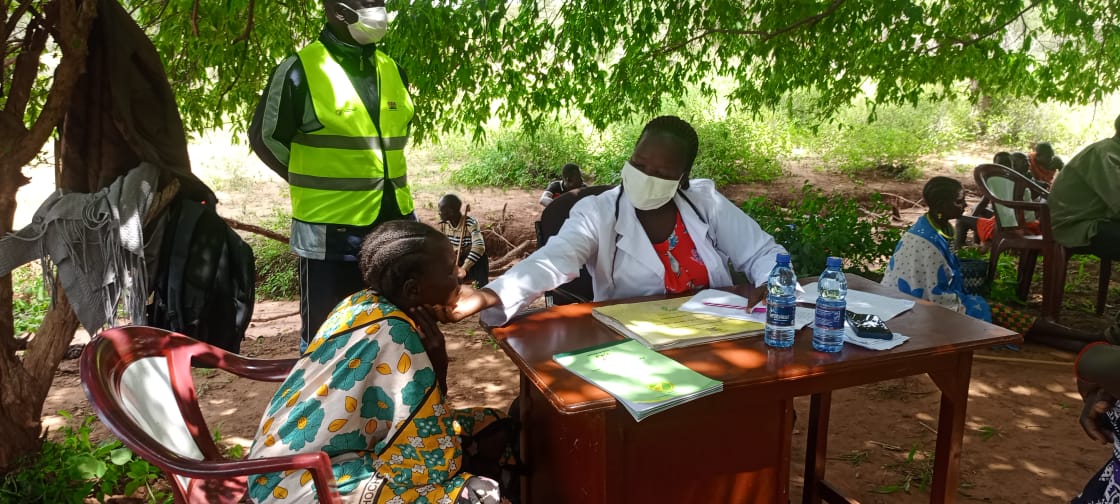
In 2018, the founders of the POHR traveled to all 6 Sub County in West pokot County at their own expense to investigate, together with the local health authorities, how the POHR could contribute to the fight against tuberculosis in the semi-nomadic areas. In particular the detection and treatment of tuberculosis patients proved to be worth supporting.

This resulted in two projects:

1.Supporting Community Health Volunteers (CHV’s) on an organisational and financial level with regards to tracing and following-up on tuberculosis patients
2. Renovation and expansion of the tuberculosis manyatta’s situated in Kacheliba and Sigor, West Pokot. In these villages, tuberculosis patients can stay throughout their whole medical treatment (i.e., at least two months), whilst provided with high-protein meals and education on tuberculosis.

Tuberculosis manyattas
A semi-nomadic lifestyle makes treatment of tuberculosis patients very challenging. In our two tuberculosis villages (manyattas), patients can stay for two months during their tuberculosis treatment. The purpose of our manyattas is for patients to complete their treatment. This is not only important for the recovery of the patients, but also prevents further spread and resistance of the tuberculosis bacteria to tuberculosis agents.

The manyatta provides water, food with a high protein content, health education and follow-up of the medical treatment of patients. Patients who show up more often for treatment are also traced.

Our Team

At Pokot Outreach Health Rights (POHR), we are committed to transforming the lives of women and girls in West Pokot County, Kenya. For over six years, we have worked tirelessly at the grassroots level to address the unique challenges faced by marginalized communities. Our mission is to end harmful cultural practices, Empower Women and Girls, and provide access to vital social, economic, and health resources.

Other Related programs

Our programs are tailored to address the complex, interlinked challenges faced by women and girls in West Pokot County through a holistic, community-driven approach that builds local ownership and long-term resilience.

)(45unh*&^4nfhfBGS@#
Water access and conservation
Advocacy and Awareness
Education Support
Education Support
Healthcare Services
Healthcare Services
WhatsApp Image 2026-01-05 at 3.46
Support for Victims
economic empowerment
Economic Empowerment
Sustainable Development
Support for Fistula Survivors
The Organization

At Pokot Outreach Health Rights (POHR), we are committed to transforming the lives of women and girls in West Pokot County, Kenya. For over six years, we have worked tirelessly at the grassroots level to address the unique challenges faced by marginalized communities. Our mission is to end harmful cultural practices, empower women and girls, and provide access to vital social, economic, and health resources.  Read More….

Contact Details
Copyrights © 2026 All Rights Reserved | Pokot Outreach Health Rights | Designed by: Jaylinks Solution 

Get Form

This will close in 0 seconds

ENQUIRIES

This will close in 0 seconds

CONTACT US

Contact Form

This will close in 0 seconds

Service Enquiries

This will close in 0 seconds

Join Us in Creating Change

Together, we can make a difference. Here’s how you can support our mission:

  • Donate: Your contributions help us provide healthcare, education, and safe spaces for women and girls.
  • Volunteer: Join our community programs to empower women and end harmful practices.
  • Partner with Us: Collaborate with us to expand our reach and impact.
CONTACT US ON +254 733 204 086.

This will close in 0 seconds